
A Beginner's Guide to Prepping Your Directorial Debut
A first-time director should prepare four things before the shoot: a mood board to communicate the look and feel, a shot list and storyboard so you do not run out of time, a one-page director's statement for funding and festivals, and rehearsals with the cast. This guide explains each one and why it matters on the day.
Directing a film can seem daunting at first, but a well-planned pre-production strategy will sharpen your skills before you ever get to set. Your script is ready to be transformed into the feature film you have been waiting so long to make. Before you get ahead of yourself, here are four key actions that will help you communicate your vision, prepare your crew and give yourself a grounded guide before anyone shouts "action". Call them the vital four.
1. Mood boards
You will often hear filmmakers compare their idea to existing films: "it's X meets Y". It is a quick way of demonstrating style and tone, but if the listener has not seen those films, it leaves them confused. The beauty of a mood board is that you can gather those references in a visually appealing way that gives someone a detailed understanding of your vision in seconds. Mood boards demonstrate how you imagine your film will look and feel, from the cinematography and tone to the locations and characters. Creating one is easier than ever with a tool like Milanote, which has a free plan and is built for exactly this, or a private Pinterest board.
2. Shot lists and storyboards
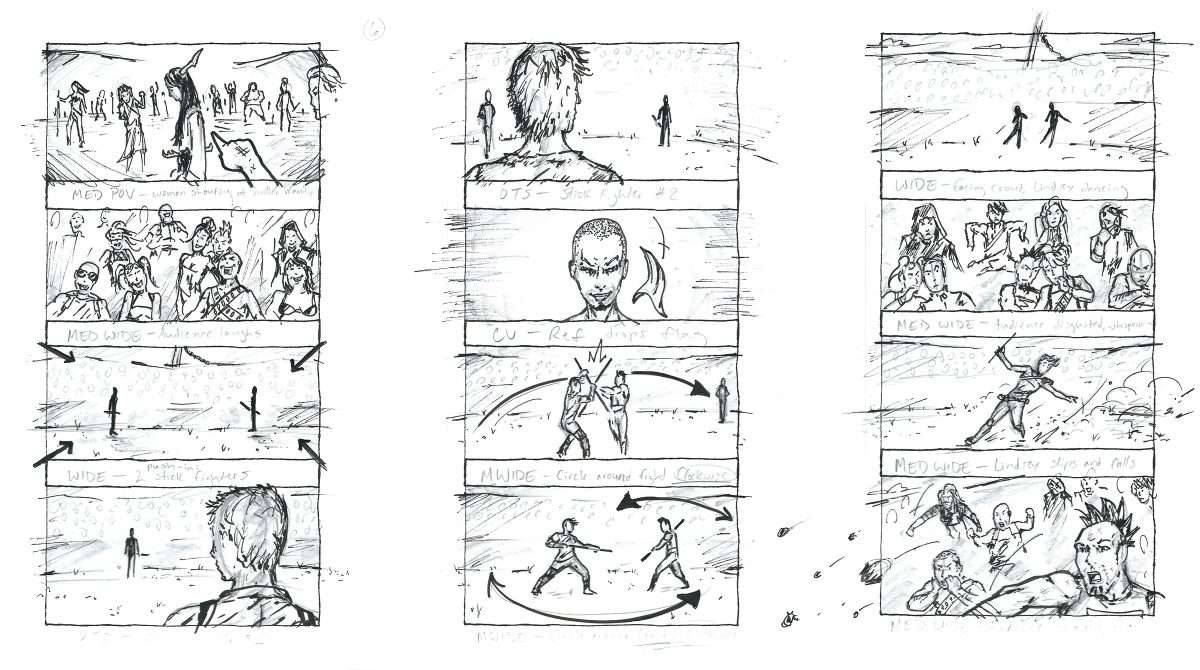
Your directorial debut means it is your first time making a film, and with that comes a whirlwind of surprises. Getting enough coverage is often a new director's worst enemy. The more prepared you are, the less likely you are to do what most directors do on their first shoot: run out of time. Creating a shot list and storyboard also forces you to think about what emotion you want to evoke through camera movement and shot choice, rather than simply getting coverage for the sake of it.
By the time you have finished your shot list, you will be able to say exactly which shots you need and how long each will take to shoot. That takes the guesswork out of scheduling and choosing the right equipment. A useful rule of thumb: add another 20 percent to however long you think it will take to cover a scene. Once the shot list is confirmed, a detailed storyboard is an easy way to show the shots to your cast and crew.
3. The director's statement
A director's statement shows that you have a clear vision and meaningful motivation. It can cover any aspect of how you interpret the screenplay: the characters, cinematography, sound, themes and references, and most importantly, why you want to make this film. The statement can be used at every stage of production, from funding applications to film festival submissions. Aim for roughly one page, and keep it clear and concise.
Two examples of a director's statement for a feature film:
- City of Joy by Madeleine Gavin
- The Fall by Kristof Hoornaert (PDF)
4. Rehearsals

Many directors are afraid of rehearsing, believing that actors will not be able to repeat the magical moments on set. As long as you are working with professional, skilled actors, you do not need to worry about that. Actors get a far better understanding of their character, and you form a shorthand with them that saves vital time on shoot day. Rehearsals are not always possible, but when they are, they are extremely beneficial. Above all, rehearsals are a great way to get to know your cast before shooting, which builds a stronger relationship and may also help to calm your nerves.
The key is planning
With these simple but essential resources, you will be able to communicate your vision and achieve far more than most first-time directors do. You may be surprised: after full preparation, your vision can end up somewhere far beyond what you originally dreamt up, in the best of ways.
Finding the right cast is part of that preparation. Casting directors, directors and producers post their castings on Actorly, and the breakdown goes out to both actors and your selected agencies. Join Actorly as a caster to find your cast.
Frequently asked questions
What should a first-time director prepare before a shoot?
Four things: a mood board, a shot list and storyboard, a director's statement, and rehearsals with the cast. Together they let you communicate your vision, prepare your crew and avoid running out of time on the day.
What is a director's statement?
A short document, about one page, that explains how you interpret the screenplay and why you want to make the film. It can cover characters, cinematography, sound, themes and references, and it is used in funding applications and festival submissions.
How long should I schedule for each scene?
Work out how long each shot on your shot list will take, then add another 20 percent to your estimate for covering the scene. That takes the guesswork out of scheduling and choosing equipment.
Should I rehearse with actors before filming?
Yes, when you can. Some directors fear rehearsal will use up the magic, but with professional, skilled actors it does the opposite: the actors understand their characters better, you form a shorthand, and you save time on set. It is also a good way to get to know your cast and calm your nerves.
What is a mood board for a film?
A visual collection of references that shows the style, tone, cinematography, locations and characters you have in mind. It gives someone a detailed understanding of your vision in seconds, and apps like GoMoodboard make one easy to build.
Casting directors post their castings on Actorly.
Build a profile in minutes, get casting alerts matched to your playing age, and apply for free.
More from the blog
 For filmmakers
Micro-Budget Filmmaking: 5 Tips for Producers
Micro-budget filmmaking tips for producers: draft the budget first, pick an achievable script, build a passionate team, borrow locations and schedule humanely.
 For filmmakers
How to Make a Great Horror Film: Tips from the Genre's Top Directors
How to make a horror film that actually scares: lessons from Hitchcock, James Wan, Jordan Peele and David F. Sandberg on suspense, restraint and real fear.
 For filmmakers
The Art of Suspense: 4 Techniques for Crafting Tension in Film
Four proven techniques for crafting tension in film: the power of silence, character reactions, dramatic irony and knowing when not to cut.