
The Art of Suspense: 4 Techniques for Crafting Tension in Film
Tension in film comes from four reliable techniques: stripping back sound so the audience shares the character's perspective, showing a character's reaction rather than the thing itself, giving the audience information the characters lack, and holding a shot instead of cutting. This post explains each one with examples from A Quiet Place, Hereditary, Psycho, The Conjuring and Touch of Evil.
Tension is a fundamental part of cinema, and it takes years to master. Bold decisions are often what push a film to the next level, so here are four useful and proven techniques to help you craft a tense, gripping ride for your audience.
1. The power of silence
The success of John Krasinski's A Quiet Place (2018) is a reminder that simple silence can leave an audience gripping the edge of their seats. The power of silence has been used in many of the most effective tension-building films of recent years. By stripping back the score and minimising the sound design, the audience is thrown into the character's perspective. In an interview with GCN, Colin Stetson, the composer of Hereditary, explained that audiences are so used to the standard overpowering orchestral score that it no longer has the impact it once had.
2. Character reactions
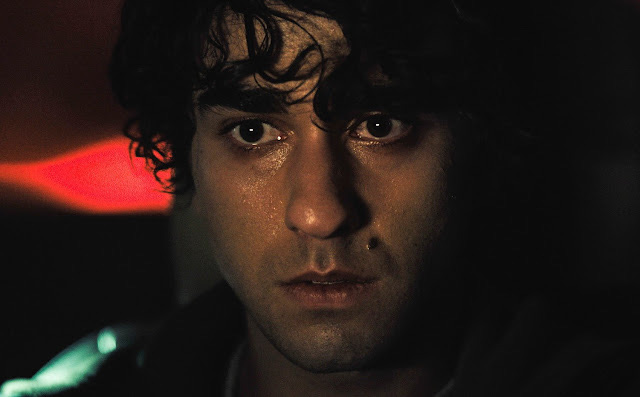
In the face of horror, the oldest and most effective visual that audiences are guaranteed to respond to is the reaction of a character. Look back on cinema's most emotionally provoking moments and you will see the power of suggestion, forced on you by the director, rather than an explicit reverse shot of the thing itself. Two well-known examples of this technique used flawlessly are the Singin' in the Rain scene in Kubrick's A Clockwork Orange and the car scene in Ari Aster's Hereditary. When it is done well, the audience is brought face to face with the true essence of humanity.
3. Dramatic irony
In theatre, dramatic irony occurs when the audience knows something that the characters on stage do not. The technique translates powerfully to film and has been used to craft some of the most suspense-filled scenes in cinema. The shower scene in Hitchcock's Psycho, the bathroom scene in Sean Byrne's The Devil's Candy and the floorboard scene in Peter Jackson's The Lovely Bones are all uncomfortably tense scenes that intercut shots to give the audience information the characters desperately need to survive. The audience is tricked into feeling guilty, as if they were a helpless bystander.
4. When not to cut
Many of cinema's most excruciating thrill rides are crafted by directors who use one simple device: knowing when to hold on a shot. James Wan lingers masterfully on shots in The Conjuring, tracking the characters so that the audience is placed inside the scene as if they were experiencing the horror themselves. The opening shot of Orson Welles' Touch of Evil is perhaps the most famous use of the technique. After a bomb is shown being planted in a car, the audience is forced to track along with the couple inside, unnervingly waiting for the inevitable. Audiences understand the cinematic language of editing and cuts, and when there are none they know, subconsciously, that something is wrong.
None of these techniques needs a big budget. Silence costs nothing, a reaction shot is a choice you make at the storyboard stage, and holding a shot is a decision you make on set and in the edit. If you are preparing your first film, plan where the tension sits in each scene before you arrive on set, and cast actors who can carry a long, quiet take. When you are ready to find them, Join Actorly as a caster and post your casting to actors across Ireland.
Frequently asked questions
How does silence create tension in a film?
By stripping back the score and minimising the sound design, the audience is pulled into the character's perspective. Audiences are so used to overpowering orchestral scores that the absence of sound now has more impact, as A Quiet Place showed.
Why are character reactions so effective in horror?
A character's reaction is the oldest and most reliable visual an audience responds to. Suggestion is often more frightening than an explicit reverse shot, as in the car scene in Hereditary or the Singin' in the Rain scene in A Clockwork Orange.
What is dramatic irony in film?
Dramatic irony is when the audience knows something the characters do not. Scenes like the shower scene in Psycho intercut shots to give the audience information the characters desperately need, which leaves viewers feeling guilty and helpless.
Why do long takes build suspense?
Audiences understand the language of editing, so when a director holds a shot instead of cutting they sense that something is wrong. The opening shot of Touch of Evil, which tracks a car with a bomb planted in it, is the most famous example.
Casting directors post their castings on Actorly.
Build a profile in minutes, get casting alerts matched to your playing age, and apply for free.
More from the blog
 For filmmakers
How to Make a Great Horror Film: Tips from the Genre's Top Directors
How to make a horror film that actually scares: lessons from Hitchcock, James Wan, Jordan Peele and David F. Sandberg on suspense, restraint and real fear.
 For filmmakers
A Beginner's Guide to Prepping Your Directorial Debut
Preparing your directorial debut: mood boards, shot lists and storyboards, a director's statement and rehearsals, so your first film shoot runs to plan.
 For filmmakers
How to Make an Award-Winning Film on a Low Budget: 10 Tips
How to make an award-winning film on a low budget: a big concept in a small space, writing what you have, location, sound, the right actors and planning.