
How to Make a Great Horror Film: Tips from the Genre's Top Directors
A great horror film builds dread rather than relying on jump scares: Hitchcock taught that terror is in the anticipation, James Wan that the unseen is scarier than the seen, Jordan Peele that every great horror film comes from a true, universal fear, and David F. Sandberg that the build towards the scare is where the fun is. This post collects their advice and the questions to ask of your own horror script.
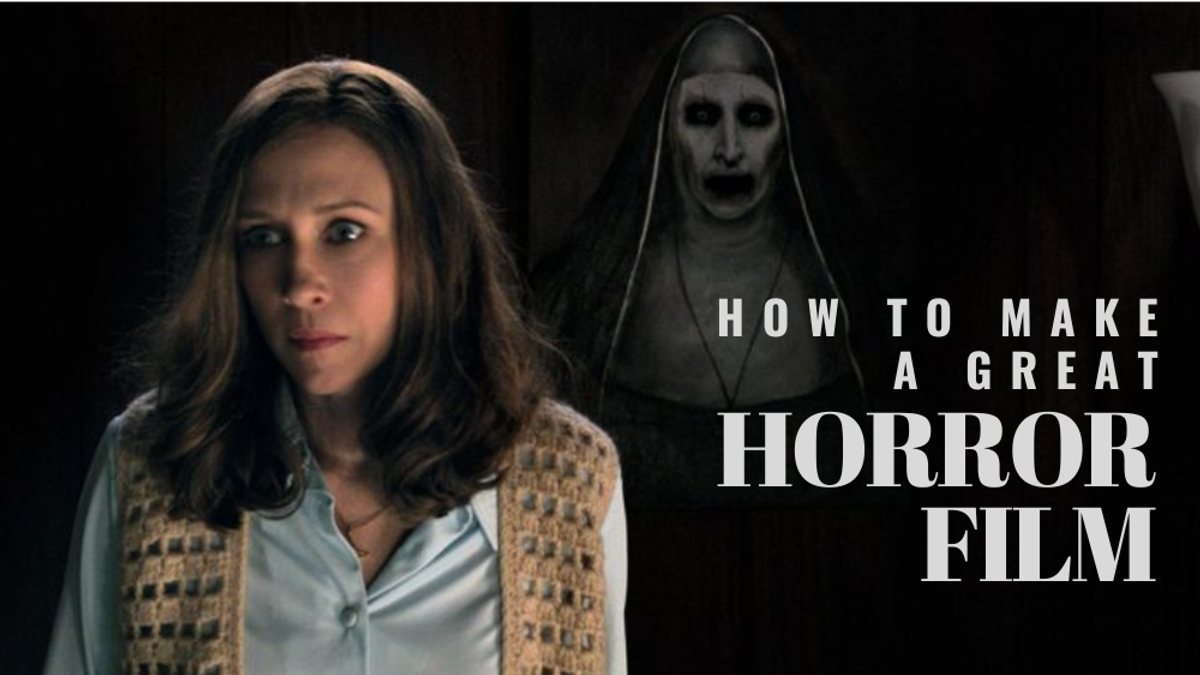
For more than a century, horror filmmaking has existed to haunt our minds, explore our darkest fears and satisfy our thrill-seeking desires. But how can something fictional be so effective at evoking fear and dread? Here is what some of the genre's most influential filmmakers have to say about it, and what you can take from them when you plan your own horror film.
Alfred Hitchcock: there is no terror in the bang
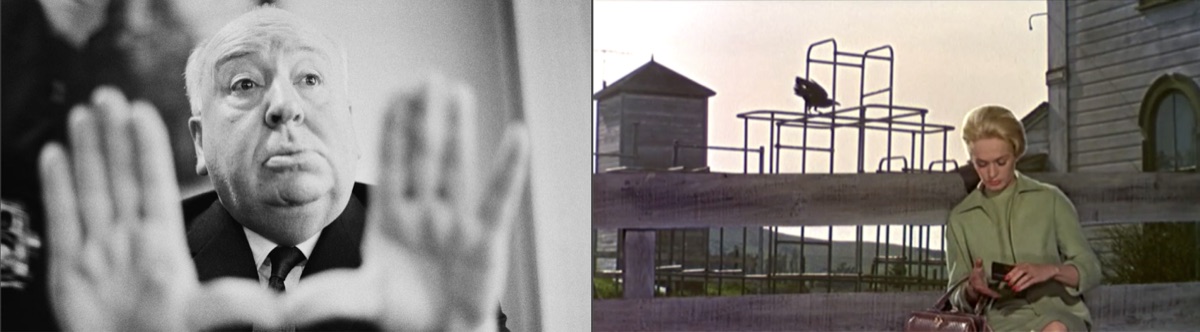
"There is no terror in the bang, only the anticipation of it."
Often called the master of suspense, Hitchcock taught us that terror does not come from the bang, or the jump scare if you like, but from the context and tension leading up to it. A great example is in The Birds, where Melanie sits unaware of the growing number of birds gathering behind her in an excruciatingly long scene. The emotional response to that scene contrasts with an earlier one, when she is suddenly attacked by a bird. Both are effective, but as Hitchcock put it, "There is a distinct difference between 'suspense' and 'surprise', and yet many pictures continually confuse the two."
James Wan: let the imagination do the rest
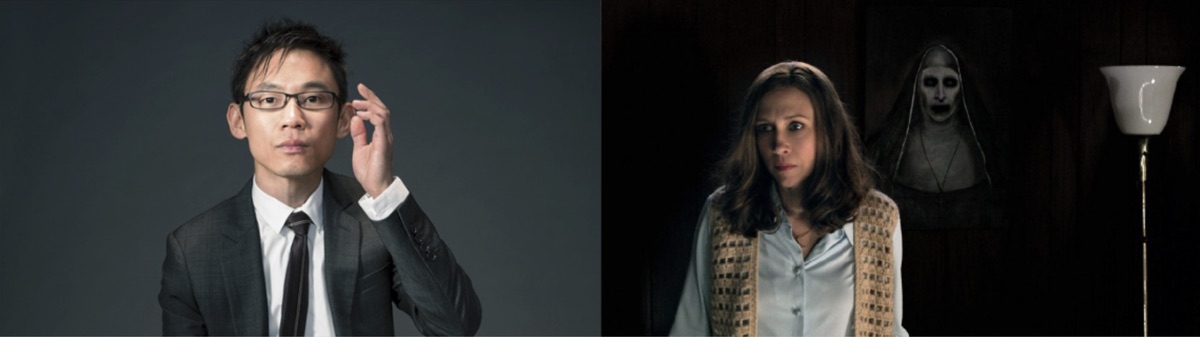
"I'm a huge fan of not showing you things and letting your imagination do the rest."
James Wan is widely credited with revitalising the horror genre after a run of unimaginative scares. A big part of what makes his films so terrifying is the idea of giving the audience just enough information for their minds to run wild. The human mind can conjure a more terrifying threat than anything we could see on screen. As soon as the threat is shown explicitly, it is no longer as scary; there is nothing scarier than the unknown. The same principle applies to how Wan crafts sound and atmosphere. As he said, "Music and sound design can be very powerful with how you use it, but also the absence of sound can say a lot as well."
Steven Spielberg has made the same point about Jaws: "When my mechanical shark in Jaws was being repaired and I had to shoot something, I had to make the water scary. I relied on the audience's imagination, aided by where I put the camera. Today, it would be a digital shark. It would cost a hell of a lot more, but never break down. As a result, I probably would have used it four times as much, which would have made the film four times less scary. Jaws is scary because of what you don't see."
Jordan Peele: every great horror film comes from a true fear
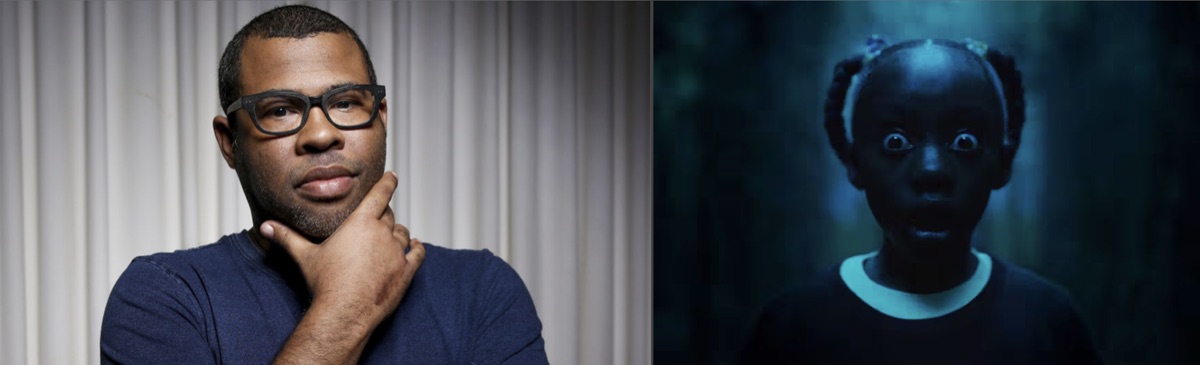
"Every great horror movie comes from a true fear, and ideally, it's a universal fear."
Despite all the monsters, effects and supernatural forces sprinkled through the genre, every great horror film can be stripped down to a simple core fear. The key is to make the threat not only simple and believable but relatable to everyone. Peele's Get Out focused on the fear of racism, while Us explores the idea that we are our own enemy. Another great example is David F. Sandberg's Lights Out, a simple concept drawn from the fear of what lurks in the darkness when the lights go off.
David F. Sandberg: the build is where you want to be
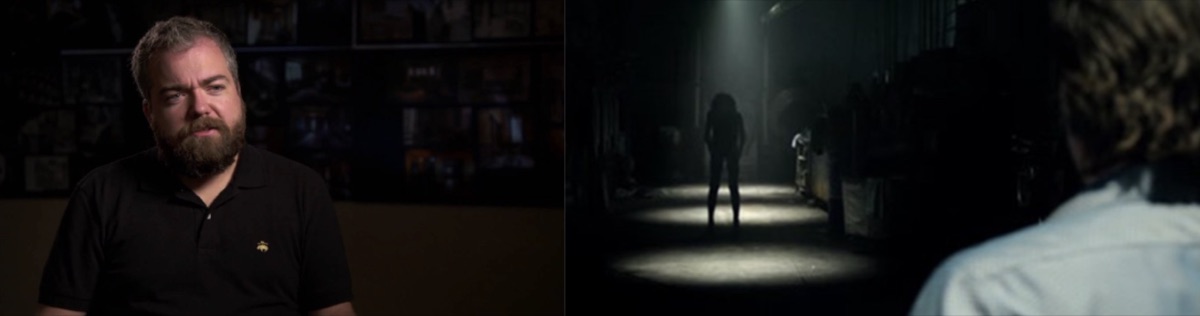
"That build towards the scare, those moments of tension, are where you want to be. That's the fun of it."
The most successful horror filmmakers understand that true terror comes from building tension and atmosphere rather than from the scare itself. Unnecessary, frequent or undeserved jump scares will momentarily shock an audience, but they will not scare them. Done badly, they can make your film less scary, because the audience stops believing in the story and stops trusting you. Jump scares are valuable, so design only a handful of them, placed after long sequences of high tension, rather than littering them throughout. The fun of horror is in the dread, so do not be afraid to hold on those moments.
Are you showing too much?
Horror should be fun, and crafting the tension is about the mysterious build: planting ideas in the audience's head rather than forcing a shock. The great filmmakers take a psychological approach rather than showing their own version of what they think should be scary. So next time you are planning your horror-filled debut, ask yourself: are you showing too much? How have you crafted the scare? Is the build slow enough? Does it evoke dread? Is the horror relatable and realistic? For more inspiration, Damian McCarthy's short He Dies at the End is a haunting lesson in how to make a great horror film in under five minutes.
A horror film also lives or dies on its cast, because a reaction shot is only as good as the actor giving it. When you are ready to find yours, Join Actorly as a caster and post your casting to actors across Ireland.
Frequently asked questions
What makes a horror film scary?
The tension and context leading up to the scare, not the scare itself. As Hitchcock put it, there is no terror in the bang, only the anticipation of it. The most effective horror films build dread slowly and let the audience's imagination do the work.
Should I use jump scares in my horror film?
Sparingly. Frequent or undeserved jump scares shock the audience for a moment but do not scare them, and they can make the audience stop trusting the story. Design only a handful, each placed after a long sequence of tension.
Should I show the monster in a horror film?
As little as possible. James Wan's approach is to give the audience just enough information for their minds to run wild, because the human mind can conjure something worse than anything on screen. Spielberg made the same point about Jaws: it is scary because of what you do not see.
How do I come up with a horror film idea?
Start from a true, ideally universal fear. Jordan Peele's Get Out is built on the fear of racism, Us on the idea that we are our own enemy, and David F. Sandberg's Lights Out on the fear of what lurks in the dark when the lights go off.
Casting directors post their castings on Actorly.
Build a profile in minutes, get casting alerts matched to your playing age, and apply for free.
More from the blog
 For filmmakers
The Art of Suspense: 4 Techniques for Crafting Tension in Film
Four proven techniques for crafting tension in film: the power of silence, character reactions, dramatic irony and knowing when not to cut.
 For filmmakers
A Beginner's Guide to Prepping Your Directorial Debut
Preparing your directorial debut: mood boards, shot lists and storyboards, a director's statement and rehearsals, so your first film shoot runs to plan.
 For filmmakers
How to Make an Award-Winning Film on a Low Budget: 10 Tips
How to make an award-winning film on a low budget: a big concept in a small space, writing what you have, location, sound, the right actors and planning.