
Micro-Budget Filmmaking: 5 Tips for Producers
Micro-budget filmmaking works when the producer drafts the budget before anything else, chooses a script the available resources can deliver, and builds a small team that understands the limits. Borrowing locations and props from people you know and keeping the schedule humane save both money and goodwill.

Producing on a micro-budget can be a minefield if the right preparations have not been made. Here are five tips that will help you produce your next micro-budget film without a hitch, from the first draft of the budget to the last day on set.
1. Draft your budget before production begins
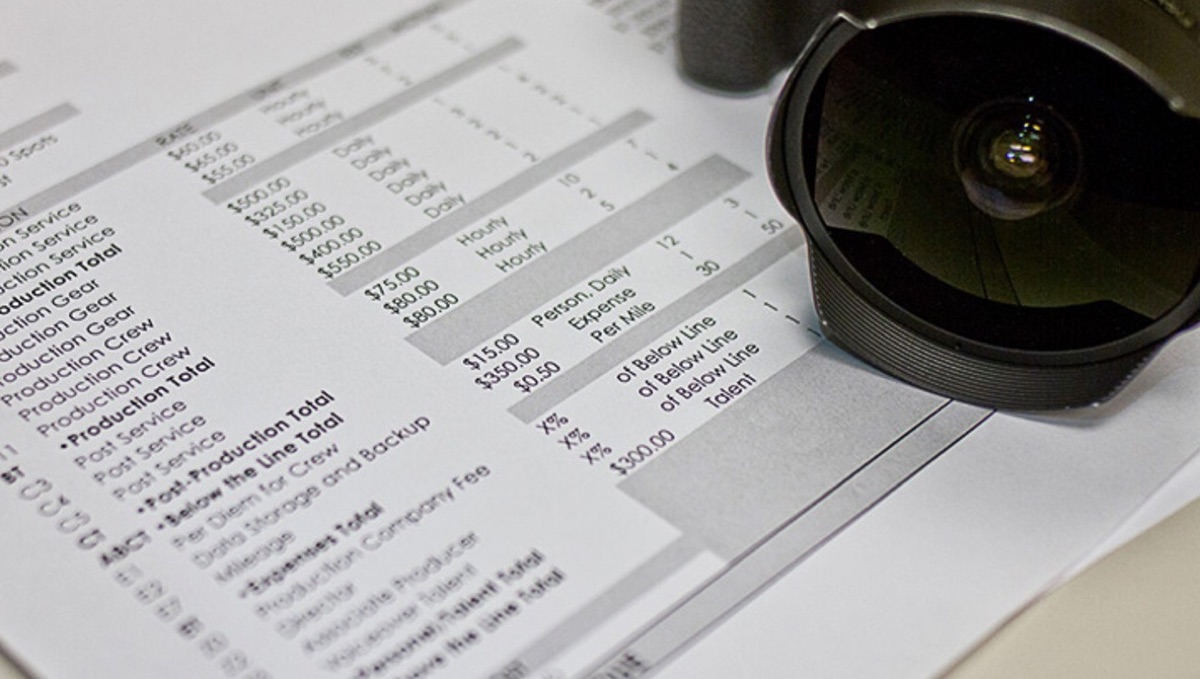
It can be easy to jump right in after receiving the script or brief. From a creative standpoint that is fine, but from an organisational standpoint it can turn into a nightmare for your funds later on. Always draft the budget for your production before you begin hiring cast and crew, searching for locations or letting the design teams start their work. It will give you a much better understanding of what needs money and where each part of your budget should go.
While drafting the first version of your budget, talk yourself through every stage of production so that no hidden costs sneak up later, and so you have a clearer idea from the start of how much you need to spend and how much you can.
2. Secure a script that is achievable within your limits
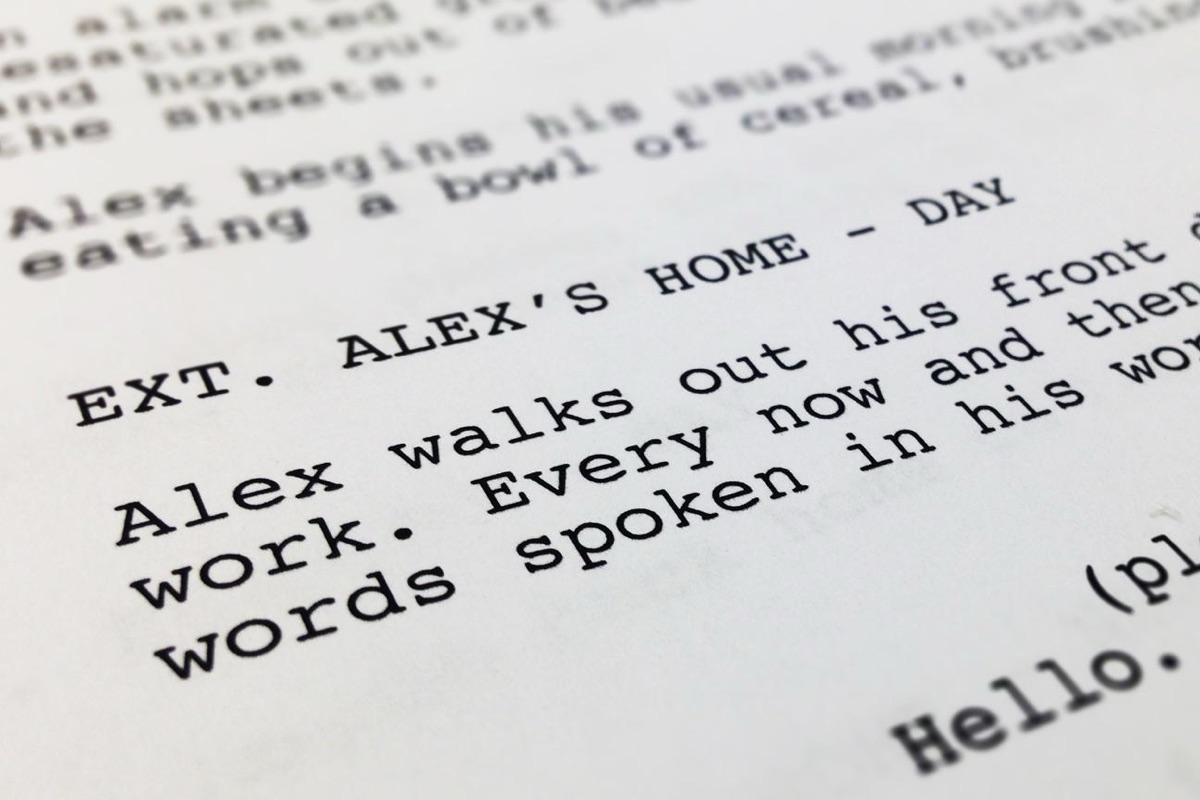
Consider the logistics of your production (budget, crew size, available equipment) and whether it is possible for you to make your chosen script with them. We would always encourage aiming high and creating something out of the ordinary. Review the script with your director and then with your entire crew, discuss your limitations, and work out together the steps needed to make everything possible.
3. Find a core, passionate team
On a micro-budget it is not always easy to keep everyone happy, because you may not be able to offer your cast and crew everything they need within their roles. Surround yourself with a team of like-minded filmmakers who understand the means of the production and are passionate about your project. As long as you are upfront about the budget and its limitations, your team should be understanding and willing to work with the resources available. A strong network in film makes finding that team far easier.
4. Source locations and resources from people you know
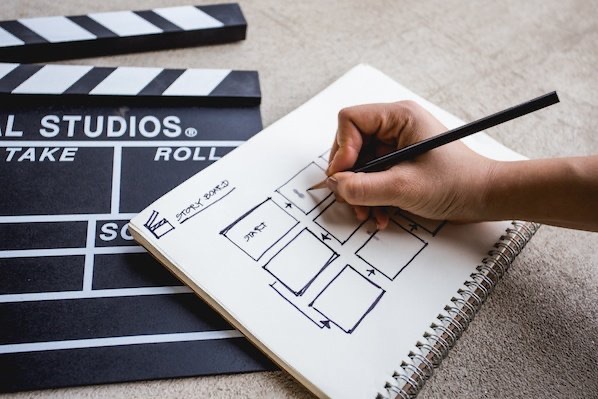
List the locations in the script and their requirements, alongside the director's mood boards. That list will go a long way when you research places you may know locally, through mutual friends or online.
On a micro-budget it is not always possible to meet every detail of the script, such as the exact layout of a location or a complicated prop, so you will need to sit down with your team and decide which elements are vital to the film, what must be kept and what is flexible. Then you can judge whether a more cost-effective location (your grandparents' kitchen, for example) would do the job. Small but well thought through adjustments like this will save a big chunk of a small budget.
5. Do not overfill your schedule

Even under time constraints, be mindful of your cast and crew. Consider legal working hours and respect the scheduled breaks on set. That may mean adding another half day to your schedule, but keeping your crew healthy and focused is far more important. Just make sure you budget correctly for the time you need.
By following these five tips, your production will benefit from your forward planning, creative thinking and consideration for the team. If you have a great script but not the money to make it, learn how to pitch your idea in 30 seconds and how to run an enticing crowdfunding campaign.
When you are ready to cast, Actorly is where casting directors, producers and directors in Ireland post their castings and hear back from actors who want to work on films like yours. Join Actorly as a caster to find your perfect cast.
Frequently asked questions
What is micro-budget filmmaking?
A micro-budget film is one made with very little money, where the producer relies on a small passionate team, borrowed locations and careful planning rather than cash. This guide covers the five preparations that make it work.
When should I draft the budget for a micro-budget film?
Before anything else. Draft it before you hire cast or crew, search for locations or let the design departments begin, and talk yourself through every stage of production so that no hidden costs appear later.
How do I find locations for a low-budget film?
List every location in the script with its requirements, alongside the director's mood boards, then look locally, through friends and online. Decide with your team what is vital and what is flexible so that a cheaper option, such as a relative's kitchen, can stand in.
How do I keep a crew happy on a micro-budget?
Be upfront about the budget and its limitations from the start and surround yourself with like-minded filmmakers who are passionate about the project. A team that understands the means of the production is far more willing to work with the resources available.
How long should a shoot day be on a micro-budget film?
Keep to legal working hours and respect scheduled breaks. If that means adding an extra half day to the schedule, add it and budget for it. A healthy, focused crew matters more than a tight timetable.
Casting directors post their castings on Actorly.
Build a profile in minutes, get casting alerts matched to your playing age, and apply for free.
More from the blog
 For filmmakers
A Beginner's Guide to Prepping Your Directorial Debut
Preparing your directorial debut: mood boards, shot lists and storyboards, a director's statement and rehearsals, so your first film shoot runs to plan.
 For filmmakers
How to Make an Award-Winning Film on a Low Budget: 10 Tips
How to make an award-winning film on a low budget: a big concept in a small space, writing what you have, location, sound, the right actors and planning.
 For filmmakers
6 Essential Filmmaking Apps for Your Phone
Six filmmaking apps for scriptwriting, shot lists, camera blocking, light metering, manual video control and lens previews, several free. Refreshed for 2026.