
A Guide to Writing Believable, Captivating Characters
A believable character has five things: a unique trait that grounds them in reality, a weakness alongside their strength, a mix of good and bad, both an internal and an external conflict, and a clear want or goal that drives the story. This checklist explains each one with examples from Prisoners, It, Toy Story, Breaking Bad and No Country for Old Men.
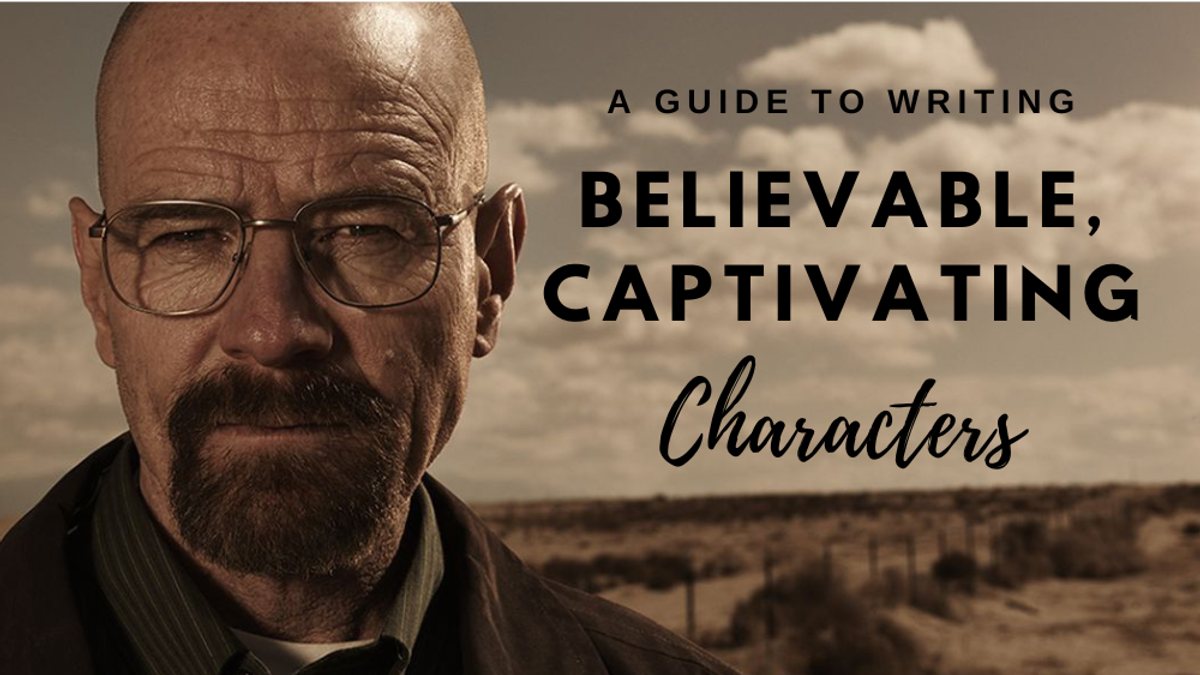
Many screenwriters overlook how much well-rounded characters matter to a story. If you are struggling to make your characters stand out, here is an essential checklist to run them through.
1. Unique traits

The search for originality when creating a character can put unnecessary pressure on you. Rather than inventing something people have never seen before, you simply need to give your character unique traits that make them distinct. Two great examples are Jake Gyllenhaal's blinking twitch in Prisoners and Jaeden Lieberher's stutter in It. Both archetypes have been depicted in films countless times, but their unique traits ground them in reality.
2. Strengths and weaknesses
No matter how strong someone is, everyone has a weakness. Think of Superman and kryptonite. Introducing an opposing threat is a great way of fleshing out your character, and it brings conflict into your narrative. Having your character attempt to overcome a weakness is a strong starting point for a captivating story. A good example is Woody in Toy Story: despite being a strong, authoritative figure, Woody feels threatened by Buzz. Equally, it is always good to give your character some sort of strength, whether psychological or physical. Remember that flaws are what make us human.
3. Good and evil

New writers often overlook the idea of a character having both good and evil traits. Analyse anyone you know and you will notice that their personality is a mixture of good and bad. When creating your characters, imagine how they would act in certain situations. Do not be afraid to sympathise with your villain and give your hero flaws. A great example is Walter White: simply put, he is a bad person with an oddly justifiable and reasonable motive. Megamind also explores a villain who has a good heart.

4. Internal and external conflict
Just as with strengths and weaknesses, characters need conflicts to battle. Giving them both an internal conflict and an external one gives your character a multi-dimensional edge, and it works for heroes and villains alike. A great example is Anton Chigurh in No Country for Old Men. He struggles with an internal conflict, his obsessive compulsion about fate, alongside the external conflict of Llewelyn and the money.
5. A clear want or goal
The writer Kurt Vonnegut said, "Every character should want something, even if it is only a glass of water." Your character's goal is the driving force that keeps your narrative moving. Think of Frodo Baggins' goal of destroying the ring, or Luke Skywalker's goal of defeating the Empire. Not every character needs a narrative-driving goal on that scale, but by giving each character a goal, no matter how small, you create the illusion of a real person who could function outside the story.
Well-written characters are also what actors respond to when they read a breakdown. Once your characters are on the page and you can pitch the story, the next step is preparing to direct it and finding the actors to play them. Join Actorly as a caster to post your casting and hear from actors across Ireland.
Frequently asked questions
How do you make a film character believable?
Give them a unique trait, a strength and a weakness, a mix of good and bad, an internal and an external conflict, and a clear want or goal. Together these create the illusion of a real person who could exist outside the story.
Does my character need to be original?
No. Most archetypes have been depicted countless times. What makes a character distinct is a unique trait, like Jake Gyllenhaal's blinking twitch in Prisoners or Jaeden Lieberher's stutter in It.
Should a villain have good qualities?
Yes. New writers often overlook the idea of a character having both good and evil traits. Walter White is a bad person with an oddly justifiable motive, and Megamind is a villain with a good heart. Sympathising with your villain makes them more convincing.
What is the difference between internal and external conflict?
External conflict is the threat or obstacle outside the character; internal conflict is the struggle within them. Anton Chigurh in No Country for Old Men has the external conflict of Llewelyn and the money and the internal conflict of his obsessive compulsion about fate.
Why does every character need a goal?
As Kurt Vonnegut put it, every character should want something, even if it is only a glass of water. A goal is the driving force that keeps the narrative moving, and even a small one makes a minor character feel real.
Casting directors post their castings on Actorly.
Build a profile in minutes, get casting alerts matched to your playing age, and apply for free.
More from the blog
 For filmmakers
How to Make a Christmas Movie: Five Tips for Filmmakers
How to make a Christmas movie people return to every year: the festive setting, real heart, a dose of jeopardy, characters uniting and a family-friendly tone.
 For filmmakers
How to Make an Award-Winning Film on a Low Budget: 10 Tips
How to make an award-winning film on a low budget: a big concept in a small space, writing what you have, location, sound, the right actors and planning.
 For filmmakers
Micro-Budget Filmmaking: 5 Tips for Producers
Micro-budget filmmaking tips for producers: draft the budget first, pick an achievable script, build a passionate team, borrow locations and schedule humanely.